
Did you know that sourdough is one of the healthiest breads? But how is it better for you then regular bread, when it’s made with the same ingredients? Read more if your interested in this as much as I am…
First things first, what is sourdough?
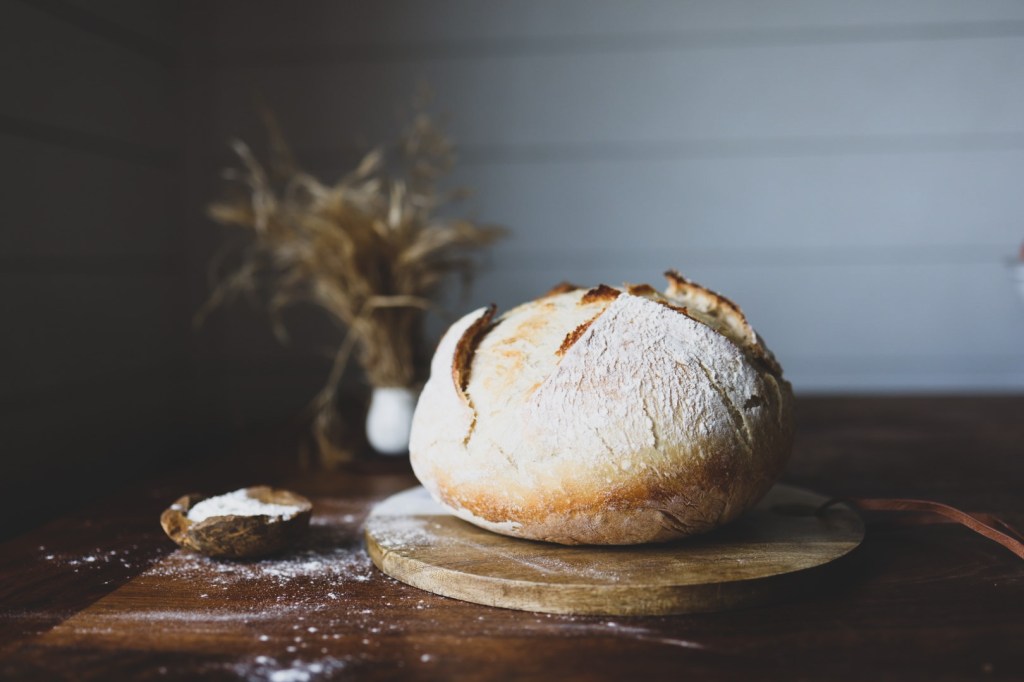
Sourdough is made from levain (sourdough starter), water, flour, and salt. (Steps for how to start a sourdough starter is below.) After the levain is developed and ready to use you make your bread! Simple add levain, water, flour, and salt to a bowl and let it sit overnight. Bake the next day and it’s ready! That’s sourdough but now the science…
What’s the science of sourdough? And why is it bubbly? And sour?
Ok, so how this works is when the flour and water absorb together, they start to take wild yeast from the air, such as S. cerevisiae, S. exiguus, Hanensula anomala, and Candida tropicaliscreating, these wild yeast are the reason the dough rises and creates co2. The yeast starts to form beneficial bacteria, the most important bacteria being the lactic acid, also know as Lactobacillus which is a probiotic, same bacteria they use in yogurt, kombucha, and other fermented foods.
Lactic acid bacteria is the main reason why sourdough is good for, it takes the sugars and breaks them down making it easier to digest. Lactic acid also helps break down phytic acid, an acid that is “anti-nutrient”, meaning it doesn’t allow nutrients to absorb when they should, that’s like all those nutrients in wheat, such as, vitamin b5, and b3, iron, calcium, manganese, copper, zinc, phosphorus, selenium, and magnesium, are kinda, just there! But, thanks to sourdough, the lactic acid breaks down around 50% of the phytic acid making the nutrients more bioavailable, making it a prebiotic, Awesome right?
Sourdough bread also contains more protein, a slice of sourdough has about 7g of protein! That’s about 3x the amount of regular white bread!
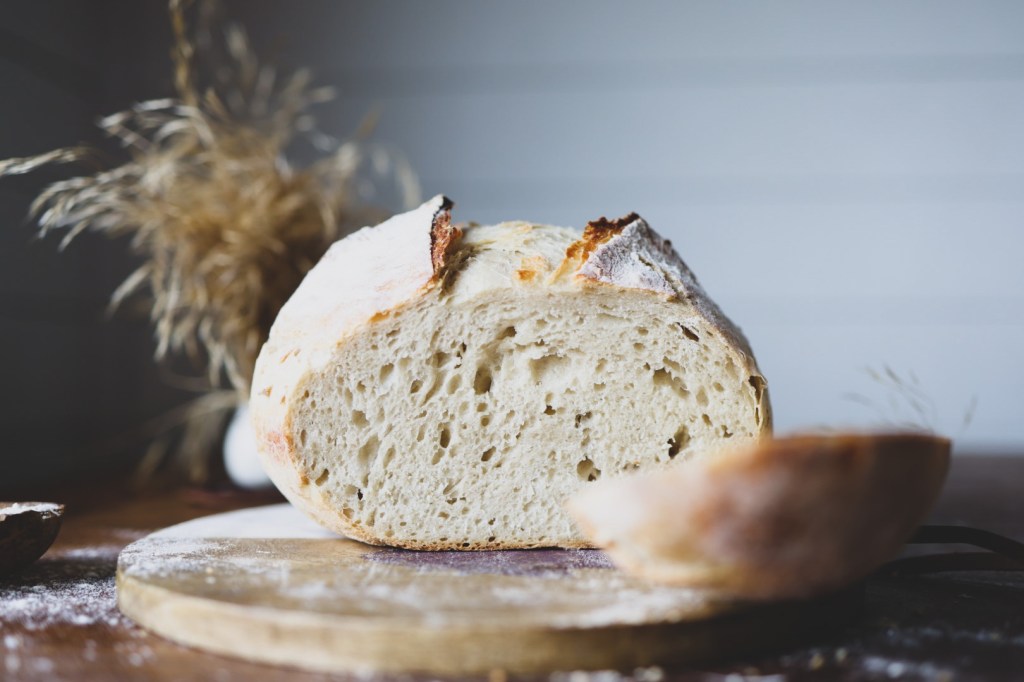
Sourdough gets its “sourness” from the lactic acid. The “holes” in sourdough is when the dough is fermenting it creates co2 and makes the dough expand creating bubbles, then when it cooks, the co2 creates holes in the bread!
Now start your own levain here.

 the potters table
9 Comments