
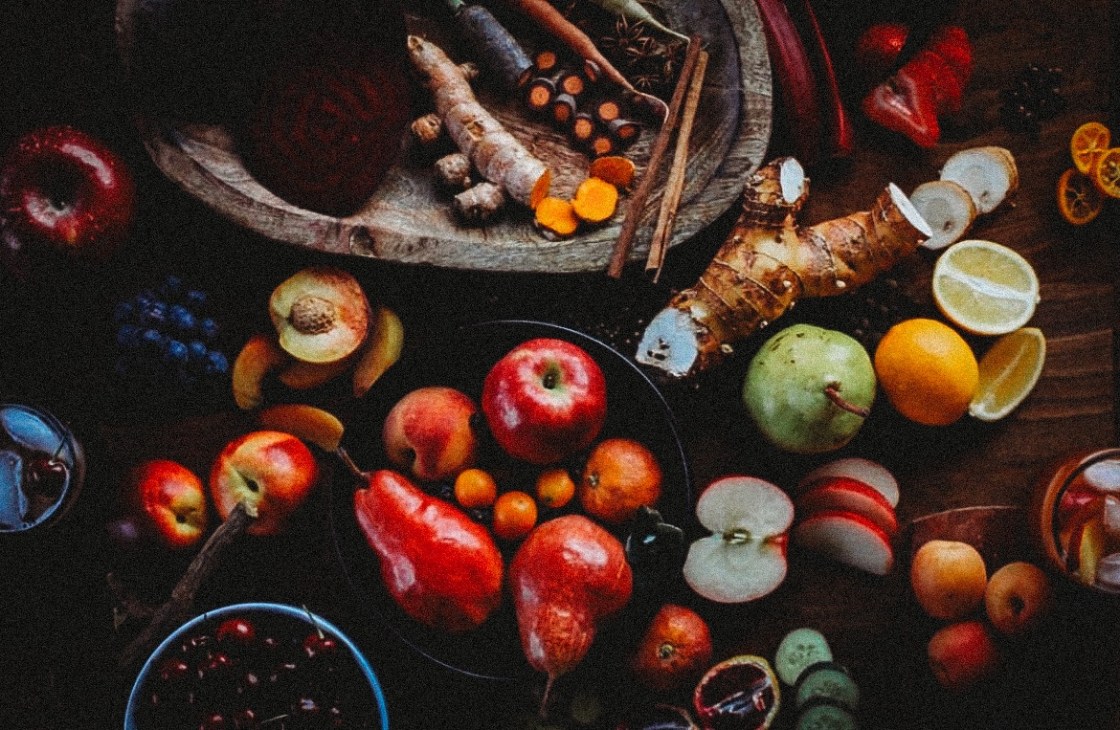

Food is amazing!!!! Em I right? I mean, every ingredient has a purpose that God designed it to have, but ever wonder what each vitamin, mineral, macros, and all that fun stuff really is?!
*I have not completed all of the micros. But I will work on it 😉
Let’s take a look at what nutrients we eat daily…
First things first, I am not a nutritionist, I am simply a girl that loves learning about nutrition and how God gave it to us to grow and nourish 🙂
Calories: what are they? There those little tiny creatures that go in your closet and sew up you clothes a little tighter every night, no, that’s not right 😆. Calories come from fats, carbohydrates, and proteins, they provide necessary energy to the body and help keep us fuller for longer, unless this is unhealthy options.
Obsessing over calories could be unhealthy, but learning how they work and to keep them in mind, could help you maintain your healthy weight. On average people should consume 1,500 to 2,200 calories a day depending on weight, hight, gender, and daily exercise level. How to calculate that would be your weight x 11 for ladies, weight x 12 for men.
For an example: 145lbs X 11 = 1,595 calories. (Or x 12 for men)

Carbohydrates:
Ok, this is what people don’t like to hear, carbs… but carbs aren’t all that bad for you! As long as you know what kind of carbs your intaking. You need carbs for energy and to help you’re brain think clearly, like fruit for an example: 1 medium size Apple has 25g carbs but those carbs will give you energy and that apple has lots of health benefits click this link for more on apples. Here’s the types of carbs:
Types of carbohydrates:
- Complex: these come from vegetables, grains (such as bread, pasta, cereal) and legumes (like beans and lentils).
- Nutrient-poor simple: Sugars.
- Nutrient-rich simple: Fruit, milk
- Fiber: whole grains, vegetables, fruit and legumes.
For the right carb intake, try to limit eating nutrient poor carbohydrates, such as desserts or sugary drinks (I do believe in cheat days here and there;) ) . Go for more fiber rich carbs such as sweet potatoes, quinoa, oats, or other whole grains.
Daily needs : 210-290g, yes I know that seems crazy but you need those carbs, it should equal about 45-65% of your calories per day.
Fiber:
You need fiber for a healthy digestion system. Fiber is a source of carbohydrates that is non digestible, which means that tour body doesn’t break it down, it actually helps keep your Bowles moving properly and help to maintain as healthy weight.
Daily needs should be around 25g-35g of your carbohydrates intake. Did you know only 5% of Americans eat enough fiber?
Proteins:
Proteins are the building blocks of muscle and tissues in your body and help you have that sustained feel through out the day. On average people need about 50-150g protein daily based on weight. If you are very active, be sure to bump this up a bit. To calculate this, dived weight into 2.2.
For an example: 145lbs dived by 2.2 = 65.9g daily protein intake.
Not getting enough protein? Try these protein bars. Their so good and they have high amounts of protein.
Fats:
Fat! Oh no!!! Doesn’t it like, make you fat!? Ok so the answer is no, after World War II , people started coming out with the theory that “fat makes you fat”, but man did that to ruin people’s health, fat is needed to properly digest the rest of our foods, But not all fats are created equal, there are two kinds of fats; unsaturated and saturated fat.
The saturated fat has fatty acids without double bonds. Unsaturated fat encompasses any type of fatty acid that contains at least one double bond within the chain. Saturated fats in moderation, may help forms the Foundation of Cell Membranes, Increases Beneficial HDL, Cholesterol, May Reduce Risk of Stroke, and Boosts Brain Health. Unsaturated fat helps weight loss, reduce inflammation and lower the risk of heart disease.

Vitamins:
Ok, so now that we’ve got the nutrients down, let’s talk about vitamins and minerals…
Vitamins and minerals are essential for the body to be functioning properly. Sadly, only about 5% of Americans have their daily intake of vitamins. So let’s see what those vitamins and minerals are and how we can incorporate them into our diet to uptake our nutritional needs.
Also keep this in mind: vitamins and minerals have “companions” meaning they need a friend to help absorb, say calcium for an example: vitamin D promotes calcium absorption in the gut and regulates calcium levels in the blood.
Firstly, there are two kinds of vitamins you should know about:
Fat-soluble: easily stored in fat upon absorption
Water-soluble: washed out and not easily stored

Vitamin A (retinol, retinoic acid):
Vitamin A is a Fat-soluble vitamin, this means you should eat fat with vitamin A foods to help absorb better in the bloodstream. Most people are not vitamin A deficient, and like all other vitamins, too much could be harmful.
Why we need Vitamin A:
Vision, growth, cell division, reproduction and immunity. High in antioxidants.
Daily intake:
4 – 8 years: 400mcg
9 – 13 years: 600mcg
14 – 18 years: 700mcg-900mcg
Men 649 micrograms
Woman: 580 micrograms
Foods with Vitamin A:
- Liver- 116%-713% DV.
- Salmon- 25% DV
- Cod liver oil- 150% DV
- Others are:
- Milk
- Goat cheese
- Butter
- Spinach
- Quail eggs
- Purple carrots
- Kabocha squash
- Persimmons 55% DV

Vitamin B:
There are a lots of B vitamins which are essential for properly functioning bodies. Thankfully, B vitamins are found in lots of animals products such as meat, dairy, etc. making them easy to enjoy, but unfortunately those who are vegetarian or vegan are most likely vitamin B deficiency. Having enough of all the B vitamins it may help…
- cell health
- growth of red blood cells
- energy levels
- good eyesight
- healthy brain function
- good digestion
- healthy appetite
- proper nerve function
- hormones and cholesterol production
- cardiovascular health
- muscle tone
To break it down…
- B1 (thiamine): daily intake: 1.1 mg Thiamine is essential for your metabolism by helping convert nutrients into energy. Foods containing vitamin B1: pork, sunflower seeds, wheat germ, oranges.
- B2 (riboflavin): daily intake: 1.1 mg Riboflavin helps convert food into energy and is also an antioxidant. Foods contains vitamin B2: riboflavin include organ meats, beef, mushrooms, quail eggs.
- B3 (niacin): daily intake: 14 mg Niacin helps cellular signaling, metabolism and DNA production and repair. Foods contains vitamin B3: chicken, tuna, lentils.
- B5 (pantothenic acid): daily intake: 5 mg Helps your body obtain energy from food and is also involved in hormone and cholesterol production. Foods containing vitamin B5: Liver, fish, yogurt, avocado, quail eggs.
- B6 (pyridoxine): daily intake: 1.3 mg Amino acid metabolism, red blood cell production and the creation of neurotransmitters. Foods contains vitamin B6: chickpeas, salmon, sweet peppers, and potatoes.
- B7 (biotin): daily intake: 30 mcg Biotin is essential for carbohydrate and fat metabolism and regulates gene expression, nail, and hair growth. Foods contains vitamin B7: Yeast, eggs, salmon, cheese, liver.
- B9 (folate): daily intake: 400 mcg Cell growth, amino acid metabolism, the formation of red and white blood cells and proper cell division. Food contains vitamin B9: leafy greens, liver, beans, oranges, quail eggs, blk water (water infused with folic acid).
- B12 (cobalamin): daily intake: 2.4 mcg. Vital for neurological function, DNA production and red blood cell development. Foods containing vitamin B12: meats, eggs, quail eggs, seafood, dairy.

Vitamin C (asorbic acid) :
Oranges right? It that what you think of when you think of Vitamin C? Well, I’am not sure who named oranges “King of vitamin C” but there are lots of other fruits, veggies, and weird stuff out there with way more vitamin c then an orange carries! For an example, the Buddha’s hand contain 409% DV of vitamin C versus oranges are around 89% DV per 100g (that’s about the same as broccoli) . Even bell peppers have 200% DV of vitamin C!
Vitamin C is an essential vitamin, meaning your body doesn’t produce it so you need to make sure your intaking it daily. Vitamin C is water-soluble.
Why we need vitamin C:
Boost collagen production within the skin, reduce inflammation, ridding body of free radicals, improves heart health, and strengthen the immune system.
Daily intake:
15-50 mg for kids depending on age
75 mg for women
90 mg for men
Foods contains Vitamin C:
- Kiwi
- bell peppers
- citron (Buddha’s hand)
- strawberries
- papaya
- grapefruit
- pineapple
- broccoli
- Brussels sprouts
- tomatoes
- spinach
- Kabocha squash

Vitamin D:
Not gettin enough sun? Well, vitamin D, a fat soluble vitamin, is very important for our health. Did you know that 40-80% of us don’t get enough vitamin d?
There are two kinds of vitamin D, vitamin D2, (aka ergocalciferol), a manmade vitamin that comes from irradiating yeast and other molds. Then there’s vitamin D3, a much better option that comes from mostly animal products like fat in meat and milk (sorry vegans, but animal products are healthy!!) and comes naturally from our wonderful sun. ☀️ 🐄
Why we need vitamin D:
Bones and skeletal structure, supports skin health, immune function, blood pressure, mood, brain function and your body’s overall ability to protect against a range of illnesses.
Note: it is important to have calcium in your diet to help the absorption of vitamin D.
Food with vitamin D:
- Cod liver oil
- Wild caught salmon
- Eggs
- Mushrooms
- Forfeited milk
- Swiss cheese
- Beef liver
- Goat cheese
- Butter

Vitamin E:
Vitamin E, a well know, fat-soluble, vitamin that not only helps your skin glow on the outside, but from the inside too.
Why do we need vitamin E?
Vitamin E contains antioxidant that preventing free radical damage from specific fats in the body that are critical for your health and naturally slowing aging. It also helps balance cholesterol, prevents diseases, repairs damaged skin, thickens hair, balances hormones, reduces cramping, prevent Alzheimer’s, lower risks of cancer, improves endurance and muscle strength, and improves vision when taken with vitamin c and zinc.
Daily intake:
15 milligrams for adults
Foods high in Vitamin E:
- Sunflower seeds
- Almonds
- Hazelnuts
- Wheat germ
- Mango
- Avocado
- Butternut squash
- Broccoli
- Spinach
- Kiwi
- Tomato’s
- Pomegranate

Vitamin K:
Vitamin K is an essential fat-soluble vitamin that pregnant ladies need the most of to help prevent jaundice. There are two kinds of vitamin K: vitamin K1 (phylloquinone) and vitamin K2 (menaquinone).
Vitamin K1 is the most common source that is present primarily in plant foods like leafy green vegetables.
Vitamin K2, is found in animal products and fermented foods. Foods high in this vitamin include meat, dairy and natto. It is also produced by the beneficial bacteria in your gut microbiome.
Vitamin K3 is also available, which is a synthetic form known as menadione.
Why do we need vitamin K?
Vitamin K is important for heart and bone health and blood clotting, it also protect against breast cancer, crucial for bone development, maintain brain function and boost metabolism.
Daily intake:
Kids: 30-60 milligrams per day
Adults: 75-90 milligrams per day
Foods with vitamin K:
- Kale — ½ cup cooked: 531 micrograms (over 100 percent DV)
- Spinach — ½ cup cooked: 445 micrograms (over 100 percent DV)
- Turnip greens— ½ cup cooked: 265 micrograms (over 100 percent DV)
- Dandelion greens— ½ cup raw: 214 micrograms (over 100 percent DV)
- Mustard greens — ½ cup cooked: 210 micrograms (over 100 percent DV)
- Swiss chard— ½ cup raw: 150 micrograms (over 100 percent DV)
- Brussel sprouts— ½ cup cooked: 109 micrograms (91 percent DV)
- Scallions— ½ cup raw: 103 micrograms (86 percent DV)
- Cabbage — ½ cup cooked: 81.5 micrograms (68 percent DV)
- Beef liver — 1 slice — 72 micrograms (60 percent DV)
- Kiwi — 1 cup — 71 micrograms (59 percent DV)
- Chicken breast — 3 ounces cooked — 51 micrograms (43 percent DV)
- Broccoli— ½ cup raw: 46 micrograms (38 percent DV)
- Avocado — 1 cup — 31.5 micrograms (26 percent DV)
- Blackberries — 1 cup — 29 micrograms (24 percent DV)
- Blueberries — 1 cup — 29 micrograms (24 percent DV)
- Prunes — 1 ounce — 17 micrograms (14 percent DV)
- Soft cheese — 1 ounce — 17 micrograms (14 percent DV)
- Kidney beans— 1 cup — 15 micrograms (13 percent DV)
- Pine nuts — 1 ounce – 15 micrograms (13 percent DV)
- Pomegranate — 1/2 cup — 14 micrograms (12 percent DV)
- Cashews — 1 ounce — 9.5 micrograms (8 percent DV)
- Ground beef — 3 ounces cooked — 8 micrograms (7 percent DV)
- Grass-fed butter —1 tablespoon — 3 micrograms (2 percent DV)

Minerals
Choline:
Choline has only been discovered as a required nutrient since 1998 by the Institute of Medicine. While our bodies produce some, it’s still not enough, so we must include it into our daily diet. It is an essential nutrient meaning that it’s needed for normal bodily function and human health.
Why we need choline:
Choline is needed for cell structure, cell messaging, removed cholesterol from your liver, fat metabolism, DNA synthesis, healthy nervous system.
Daily intake:
Kids: 125-375 (depending on age) milligrams per day.
Adults: 425-550 milligrams per day
Foods with choline:
- Beef liver: 1 slice (2.4 ounces or 68 grams) contains 290 mg.
- Chicken liver: 1 slice (2.4 ounces or 68 grams) contains 222 mg.
- Eggs: 1 large hard-boiled egg contains 113 mg.
- Fresh cod: 3 ounces (85 grams) contain 248 mg.
- Salmon: A 3.9-ounce (110-gram) fillet contains 62.7 mg.
- Cauliflower: A 1/2 cup (118 ml) contains 24.2 mg.
- Broccoli: A 1/2 cup (118 ml) contains 31.3 mg.

Calcium:
Calcium, maybe one of the most well-known minerals. Found mostly in dairy products, calcium works also works with vitamin D to help maintain strong bones.
Why we need calcium:
Bone density, optimal nerve transmission, blood clotting, hormone secretion, control your appetite, muscle contraction, and potentially facilitate weight loss by surpassing appetite.
Daily intake:
- Birth to 6 months, 200 mg
- Infants 7–12 months, 260 mg
- Children 1–3 years, 700 mg
- Children 4–8 years, 1,000 mg
- Children 9–13 years, 1,300 mg
- Teens 14–18 years, 1,300 mg
- Adults 19–50 years, 1,000 mg
- Adult men 51–70 years, 1,000 mg
- Adult women 51–70 years, 1,200 mg
- Adults 71 years and older, 1,200 mg
- Pregnant and breastfeeding teens, 1,300 mg
- Pregnant and breastfeeding adults, 1,000 mg
Foods high in calcium:
- Yogurt or kefir — 1 cup: 488 milligrams (49 percent DV)
- Raw milk plus (whey protein, made from milk) — 1 cup: 300 milligrams (30 percent DV)
- Cheese — 1 ounce: 202 milligrams (20 percent DV)
- Kale (raw) — 1 cup: 90.5 milligrams (9 percent DV)
- Okra (raw) — 1 cup: 81 milligrams (8 percent DV)
- Bok choy — 1 cup: 74 milligrams (7 percent DV)
- Almonds — 1 ounce: 73.9 milligrams (7 percent DV)
- Broccoli— 1 cup: 42.8 milligrams (4 percent DV)
- Watercress — 1 cup: 41 milligrams (4 percent DV)
Chromium
Just recently identified, Chromium, a type of chemical element that is a trace mineral needed in small amounts for a healthy, functioning, body. Chromium deficiency is unlikely since we usually get it though cookware, tap water, or it wounds up getting in our food from little traces of rock.
Why we need chromium:
Helps Control Blood Sugar and Prevent Diabetes, Helps Reduce High Cholesterol, May Help Prevent Weight Gain and Overeating, Helps Maintain Brain Health and Fight Cognitive Decline, May Help Improve Skin Health and Prevent Acne, Supports a Healthy Metabolism and Energy Levels, Helps Maintain Eye Health, Helps Protect Bones From Fractures and Osteoporosis.
Daily intake:
- Infants 0 to 6 months: 0.2 micrograms
- Children 7 to 12 months: 5.5 micrograms
- 1 to 3 years: 11 micrograms
- 4 to 8 years: 15 micrograms
- 9 to 13 years: 25 micrograms for boys, 21 micrograms for girls
- Teens 14 to 18 years: 35 micrograms for boys, 24 micrograms for girls
- Adults 19 to 50 years: 35 micrograms for men, 25 micrograms for women
- Women who are pregnant: 30 micrograms
- Women who breastfeeding: 35 micrograms
Foods with chromium:
- Broccoli — 1 cup cooked: 22 micrograms (88 percent DV)
- Grapes/Grape Juice(pure, unsweetened) – 1 cup juice: 8 micrograms (32 percent DV)
- Potatoes — 1 cup: 3 micrograms (12 percent DV)
- Garlic— 1 teaspoon: 3 micrograms (12 percent DV)
- Basil — 1 tablespoon: 2 micrograms (8 percent DV)
- Grads fed beef — 3 oz: 2 micrograms (8 percent DV)
- Oranges/Orange Juice— 1 cup: 2 micrograms (8 percent DV)
- Turkey — 3 oz: 2 micrograms (8 percent DV)
- Green Beans — 1 cup cooked: 2 micrograms (8 percent DV)
- Apples — 1 medium: 1 micrograms (4 percent DV)
- Bananas—1 medium: 1 micrograms (4 percent DV)
Copper:
Like all other nutrients, copper needs buddies in order to function properly. It’s important that copper intake stays in balance with zinc and iron levels. Copper also helps slow greying hair.
Why we need copper:
Supports a Healthy Metabolism, Provides the Body with Energy, Needed for Proper Brain Function, May Help Arthritis Symptoms, Maintains a Healthy Nervous System, Helps Build and Maintain a Healthy Skeletal Structure, Needed for Proper Growth and Development, Helps Balance Thyroid Activity, Prevents Anemia or Low Iron Levels, Needed for Healthy Hair, Skin and Eyes.
Daily intake:
Foods high in copper:
- Beef liver
1 ounce: 4 milligrams (200 percent DV) - Dark chocolate
1 bar: 1.8 milligrams (89 percent DV) - Sunflower seeds
1 cup with hulls: 0.8 milligram (41 percent DV) - Cashews 1 ounce: 0.6 milligram (31 percent DV)
- Chickpeas1 cup: 0.6 milligram (29 percent DV)
- Raisins1 cup: 0.5 milligram (25 percent DV)
- Lentils
1 cup: 0.5 milligram (25 percent DV) - Hazelnuts1 once: 0.5 milligram (25 percent DV)
- Dried apricots
1 cup: 0.4 milligram (22 percent DV) - Avocado
1 avocado: 0.4 milligram (18 percent DV) - Sesame seeds1 tablespoon: 0.4 milligram (18 percent DV)
- Quinoa
1 cup, cooked: 0.4 milligram (18 percent DV) - Turnip greens
1 cup, cooked: 0.4 milligram (18 percent DV) - Blackstrap molasses 2 teaspoons: 0.3 milligram (14 percent DV)
- Shiitake mushrooms
1 ounce: 0.3 milligram (14 percent DV) - Almonds
1 ounce: 0.3 milligram (14 percent DV) - Asparagus
1 cup: 0.3 milligram (13 percent DV) - Kale
1 cup, raw: 0.2 milligram (10 percent DV) - Goat cheese1 ounce, semi-soft: 0.2 milligram (8 percent DV)
- Chia seeds 1 ounce (28 grams): 0.1 milligram (3 percent DV)
Fluoride:
Encourages strong bone formation. Keeps dental cavities from starting or worsening. Be carful to not over do fluoride, for it has links that may cause autism and other harmful things. Most water contains some traces of fluoride, so it’s not necessary to take any 🙂
Daily intake: M: 4 mg, W: 3 mg
Iodine:
An important mineral for correct thyroid function, iodine helps with metabolism, regulates hormones, and helps Neurodevelopment for babies in the womb.
is 150 micrograms (mcg) daily for adult men and women 19+ years, and 220 and 290 mcg daily for pregnant and lactating women, respectively.
is 150 micrograms (mcg) daily for adult men and women 19+ years, and 220 and 290 mcg daily for pregnant and lactating women, respectively.
 the potters table