Here’s a quick guide to how livestock genetics and color breeding works.
First off, what are “genes/genetics”?
Genes. Think of them like this… A Chromosome is a book shelf and the gene is a book, Each “book shelf “ has thousands of books and each book is a trait (some traits are derived by several genes). When You breed two animals together, you combine two book shelves.
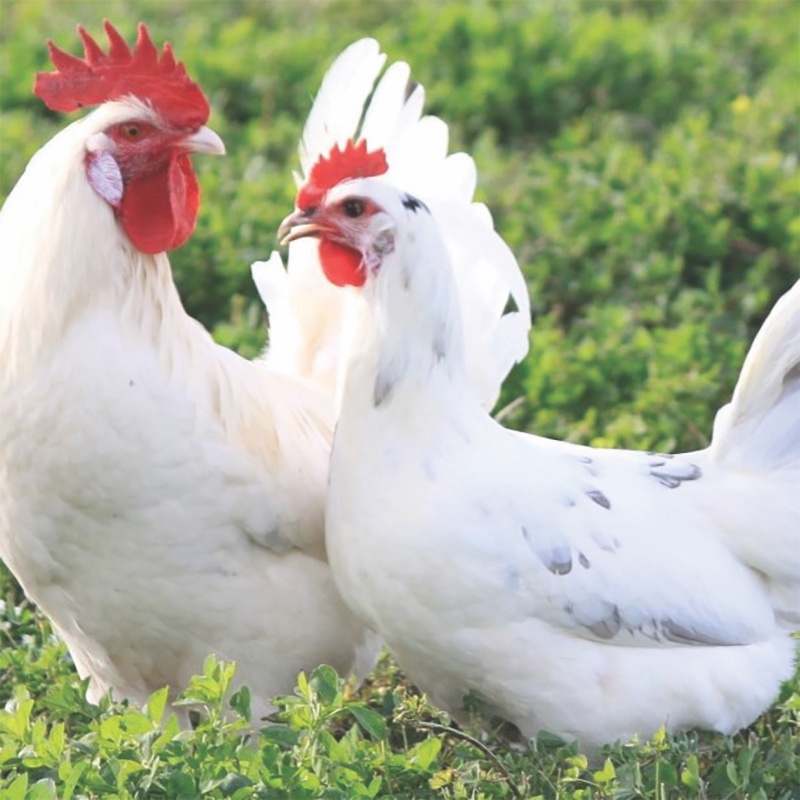
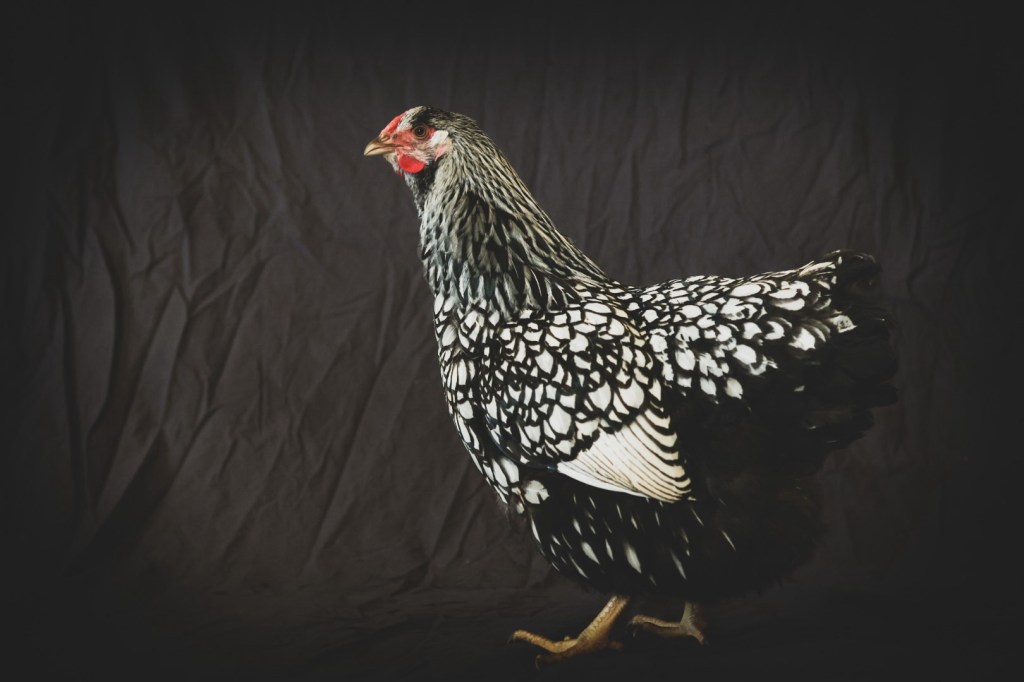
Dominant: Dominant colors are the easiest genes to explain, so I’m going to use Chickens as an example. When you breed a Black chicken to a (dominant) White chicken the first generation (F1) is mostly white with some black speckles. Then when you breed the two F1’s together you get approximately 25% Black, 25% White, and 50% White with speckles.
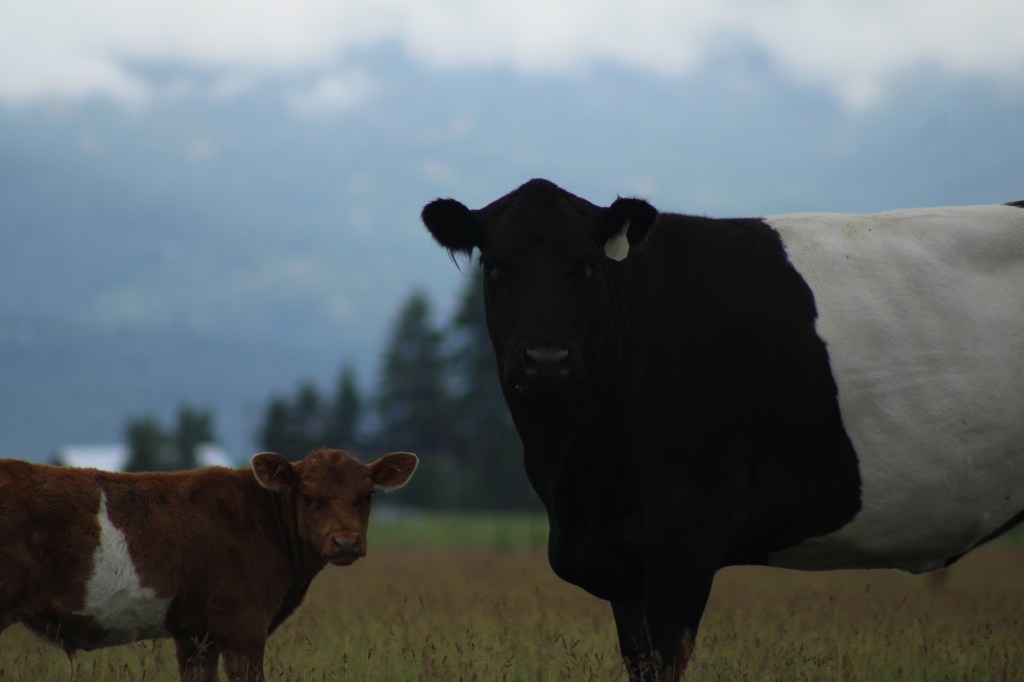
Recessive: I’m going to use Angus cattle as an example for the Recessive gene. When you breed a Black Angus to a Red Angus the F1 offspring will be 100% Black (But will carry the Red Gene). When you breed the Black Carriers to each other you will get approximately 25% Pure Black angus, 25% Red Angus, and 50% Black carrier Angus.
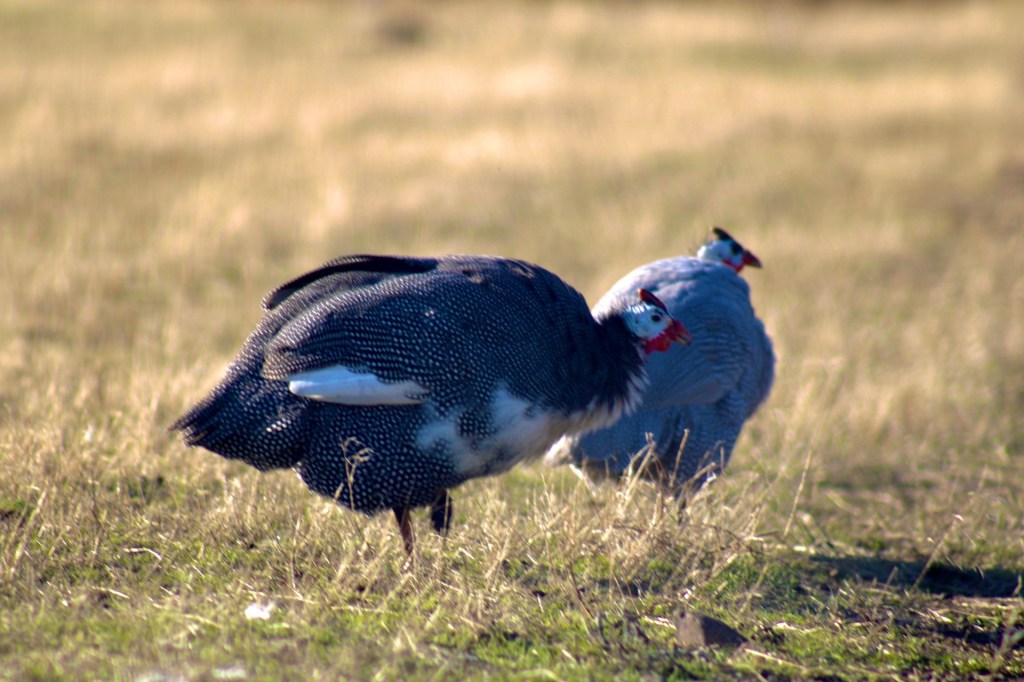
Dominant Heterozygous: Heterozygous means even if the percents are identical, the offspring aren’t 100% of the same color. I’m using Pied guinea fowl as an example. Pied x pied = 50% pied, 25% pearl, and 25% white. White x pied = 50% white and 50% pied. Pearl x pied = 50% Pearl and 50% pied.
More information can be found below reaching Eggapolis@gmail.com.



 the potters table