
When starting a homestead, research and plans are a great idea. In this article, we are going to go over the livestock side of homesteading.
Starting up
First things first, we have to decide how much work we want you to put in, and what we want to produce from the homestead. Normally eggs, meat, and milk are what people want to produce, so we will start with eggs.
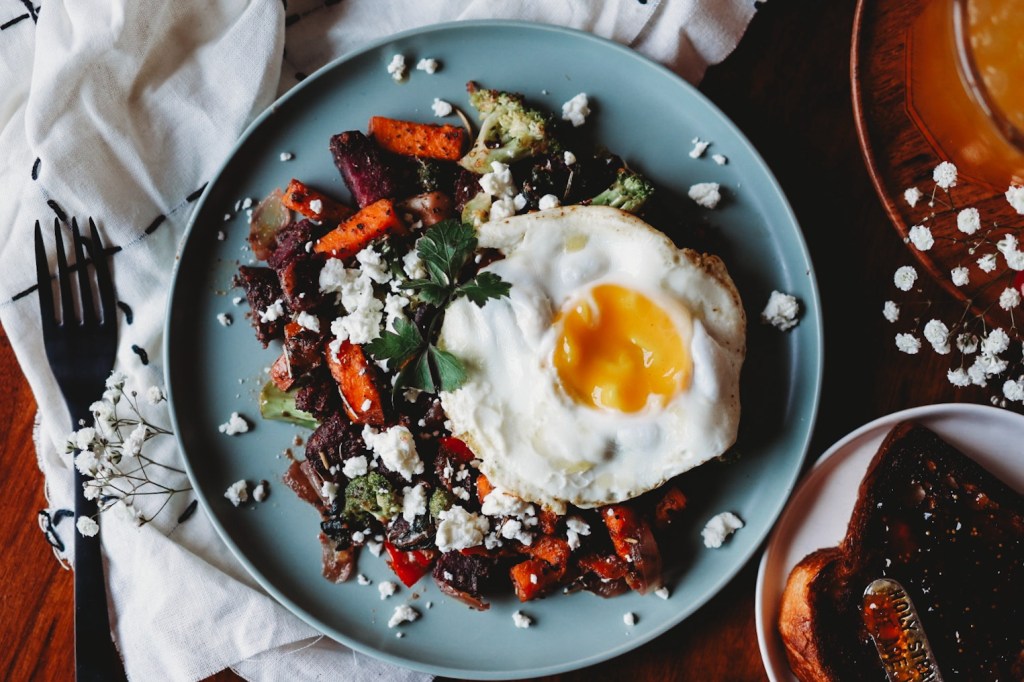
Producing eggs…
When most people hear the word “eggs” you immediately think of chickens, but believe it or not, all birds lay eggs!
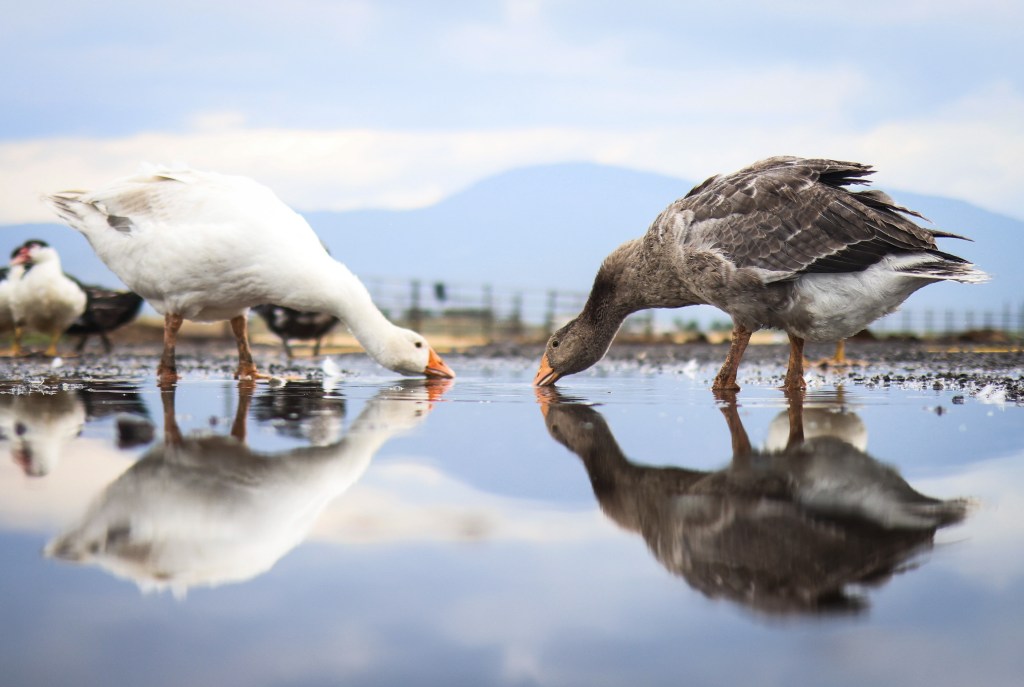
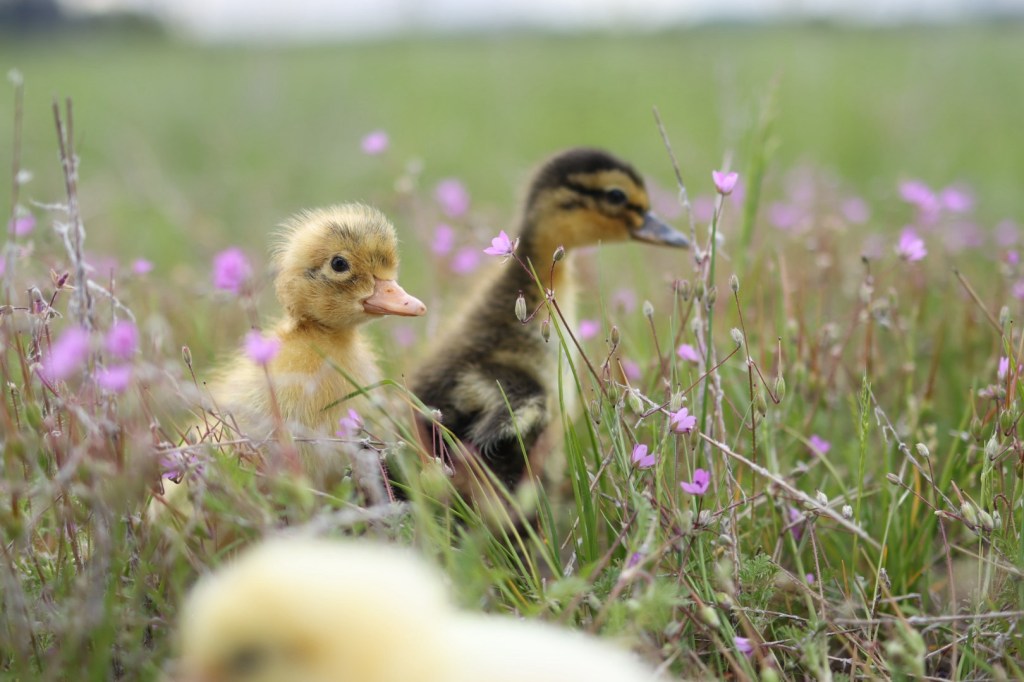
There are many efficient egg layers on the farm, from a 30-pound turkey, to a 6-ounce quail. A comparison of these birds is an article in its self, but to spark your interest, we’ll name off each common poultry/waterfowl kind and their average annual egg production.
Goose- 35 XL eggs
Guinea fowl- 80 medium eggs
Turkey- 100+ XL eggs
Duck- 280 large eggs
Chicken- 280 large/medium eggs
Quail- 320 small eggs
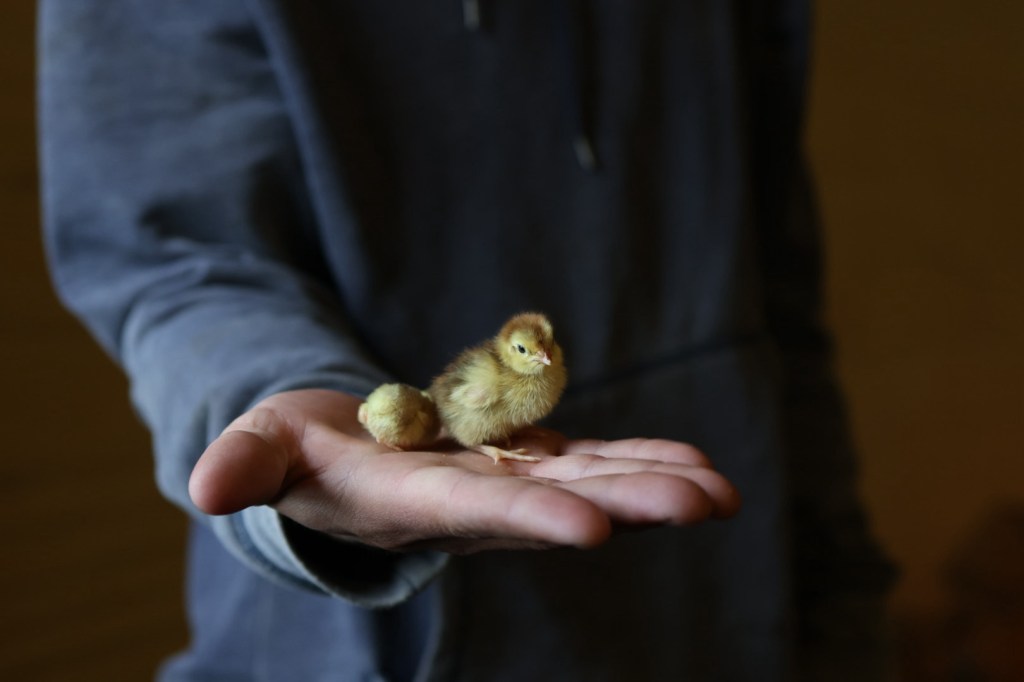
Yes, that’s right. Quail (Coturnix mainly) are actually the most prolific species you can raise. Quail grow quickly and can be fully mature in just six weeks, and will produce hundreds of eggs in a small space annually.
Quail eggs
“Quail eggs are rich in nutrients and full of health-promoting antioxidants that may help reverse cellular damage and treat allergy symptoms. They also contain powerful brain nutrients that many people are deficient in.”
Chickens
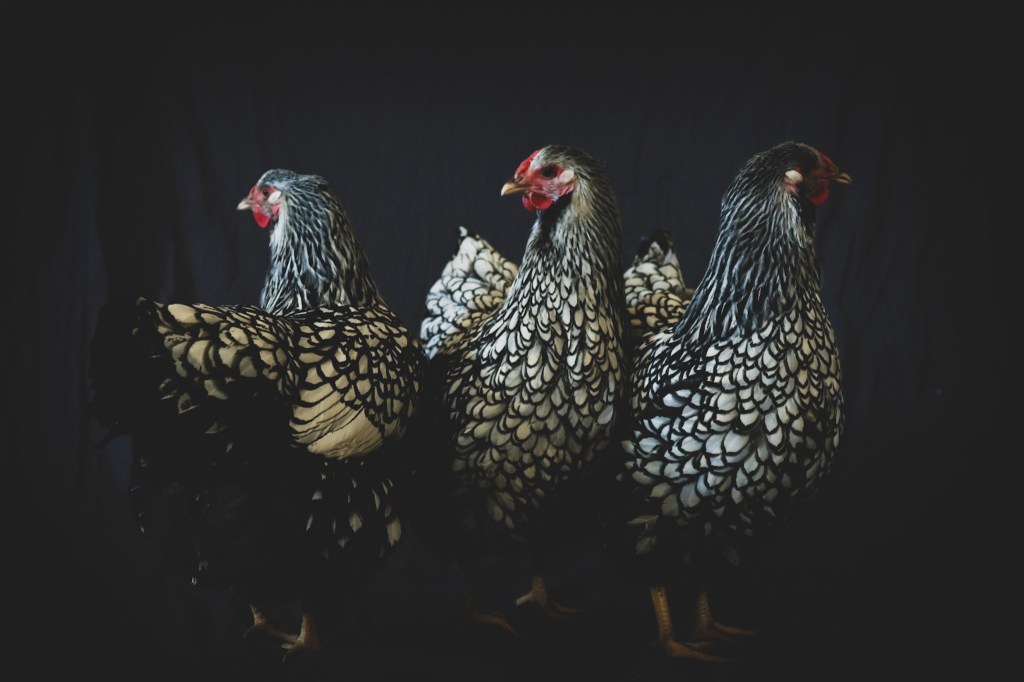
Although quail are more efficient than most chickens, we are still going to talk about them because chickens are by far the most common homestead animal, and although quail are more efficient than chickens, chickens tend to have a longer productive life, lay larger eggs, and have a more diverse breed spectrum for different climates, purposes etc.
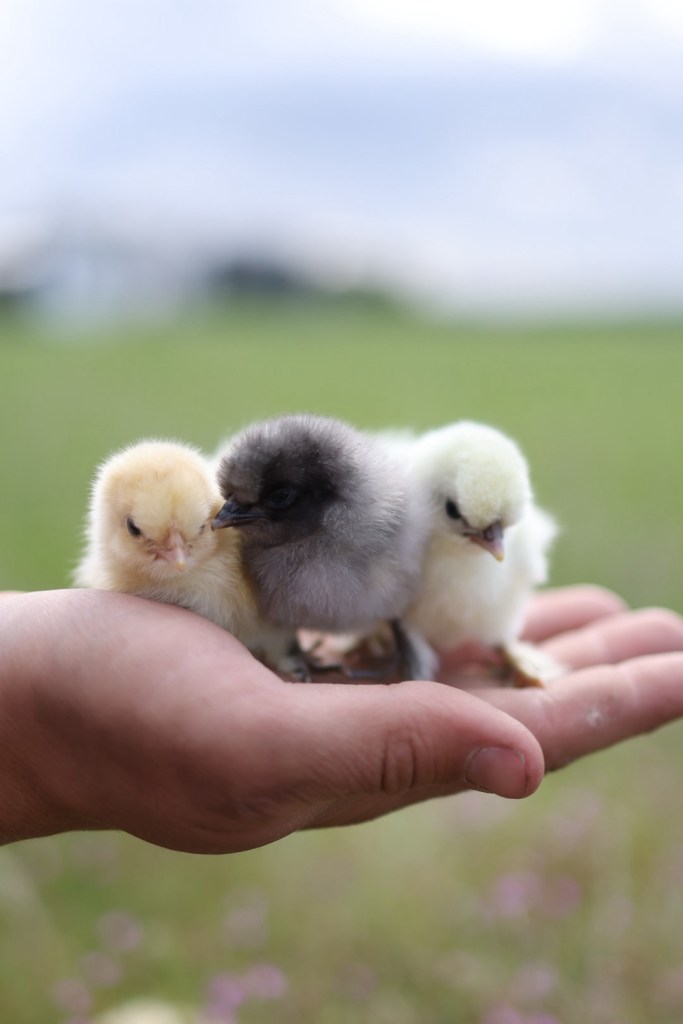
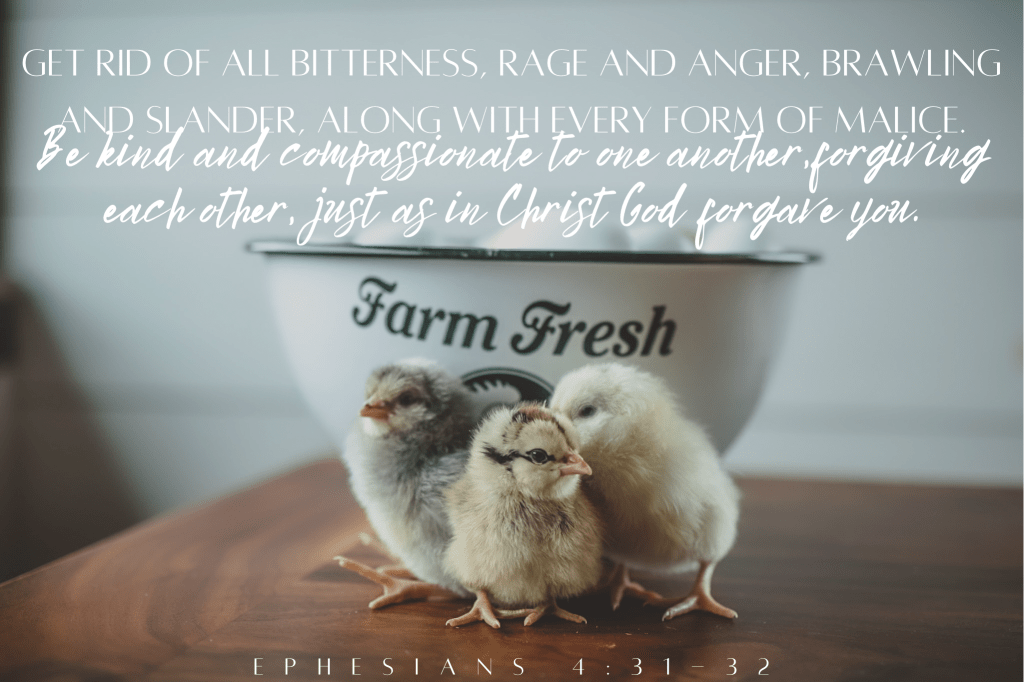
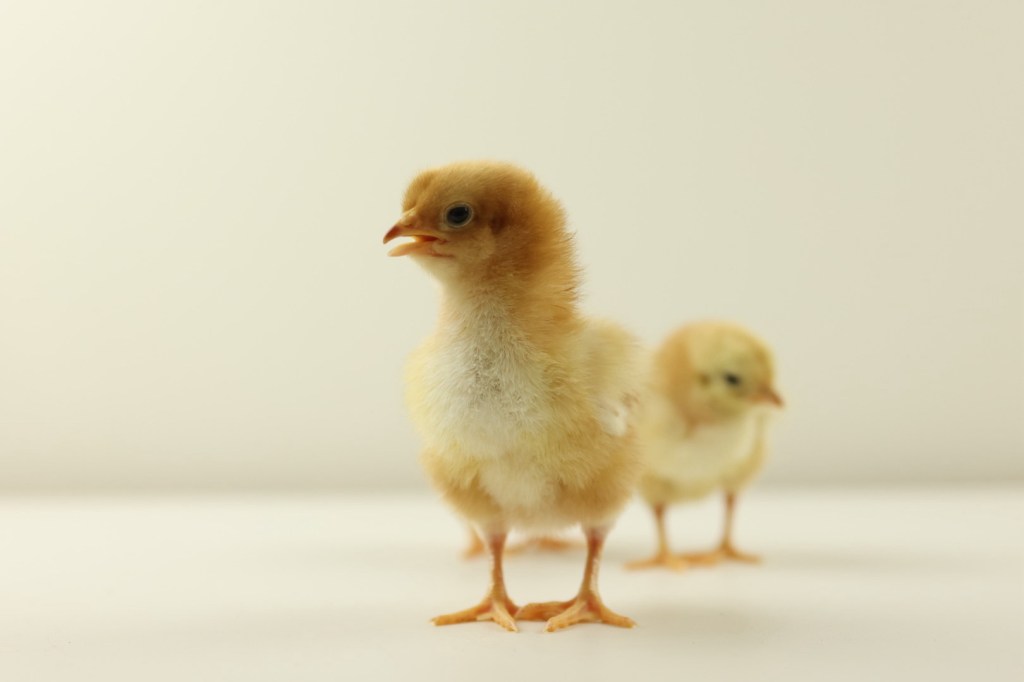
If you are considering chickens, you will want to start out with chicks- they can be purchased through many sources, including by mail order, from the farm store, or from local breeders and hatcheries. Starting with baby chicks will allow the chicks to be adapted to your farm and recognize you. Another reason to start with chicks, is to reduce any risk of major diseases which are unfortunately common when purchasing adult fowl.
Once you have picked out your favorite breed(s), you will want to build (or buy) a brooder. The term “brooder” generally refers to a place that houses chicks. Typically a wooden box with an open top is what you’ll see on the everyday farm. The brooder must have a heating source- heat lamps can be found at most farm stores and work well. Feeding troughs should always be full and have the age-appropriate feed for the chicks. Waterers come in a variety of shapes and sizes, but the main goal should be to have fresh, clean water, 24/7 for the chicks. Bedding is necessary for the little birds to stay dry, I like to use semi-coarse pine shavings which are a favorite of the birds.
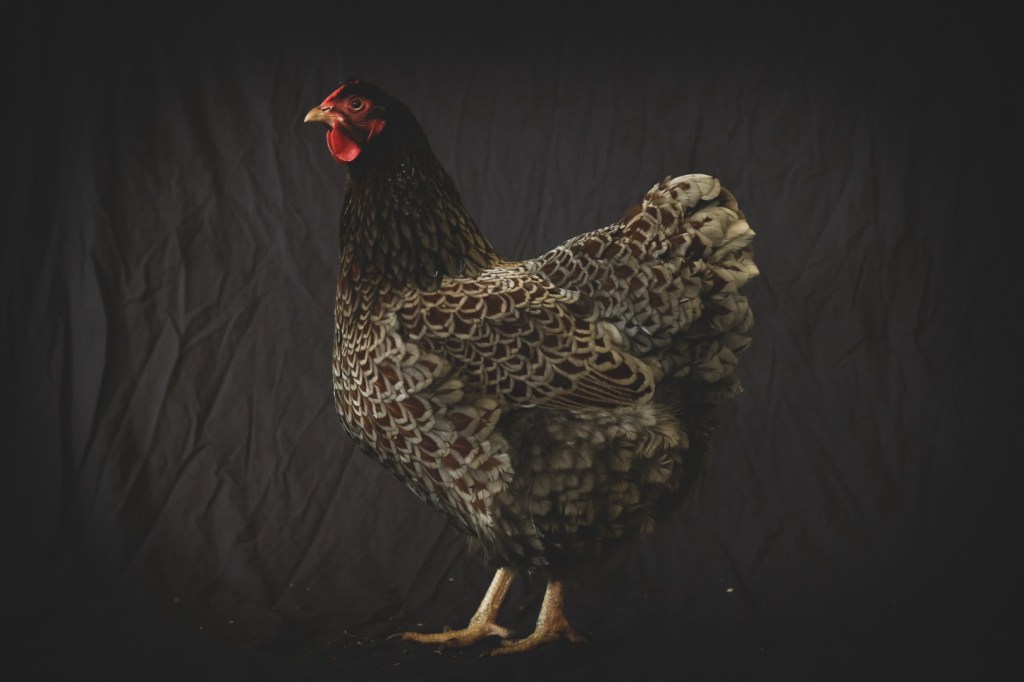
After 5-7 months, your little fluff ball chicks will be full grown, and ready to produce eggs for you. The chicken coop should have feeders, waterers, nesting boxes, a spot to roost (sleep), and an outdoor area which helps them stay healthy and happy. We plan to post a more detailed article on raising chickens, so stay tuned.
The Milking Cow
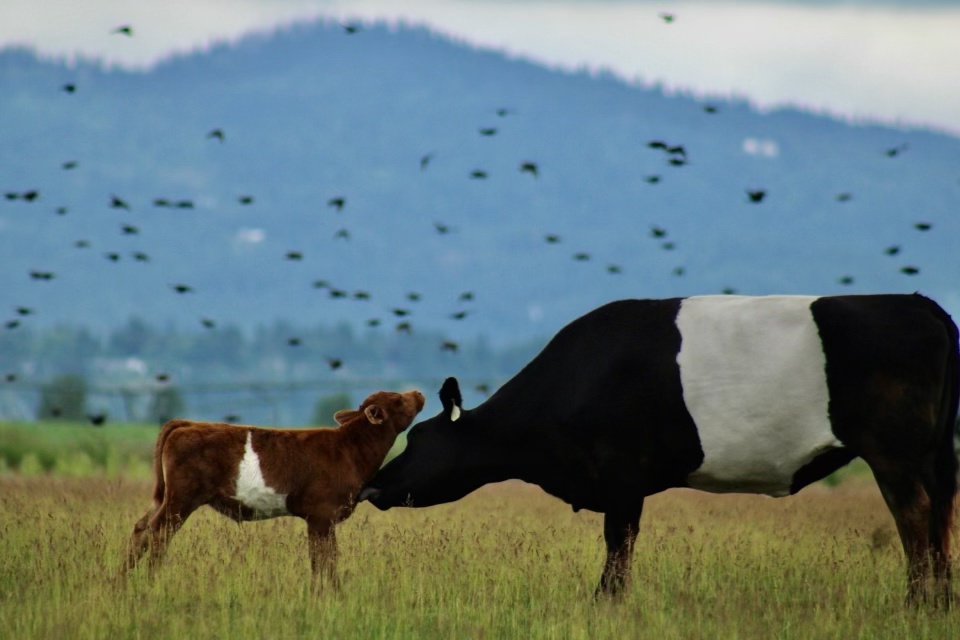
Cattle are a joy to raise whether you’re keeping them for beef or dairy. Dairy breeds are the best for milk production since they are bred specifically for that purpose. Picking a breed is important, so here are a few to name.
- Brown Swiss
- Jersey
- Holstein
- Dutch Belted
- Milking Shorthorn
- Guernsey
- Ayrshire
More information, coming soon!
Meat Chickens, Pigs, Sheep
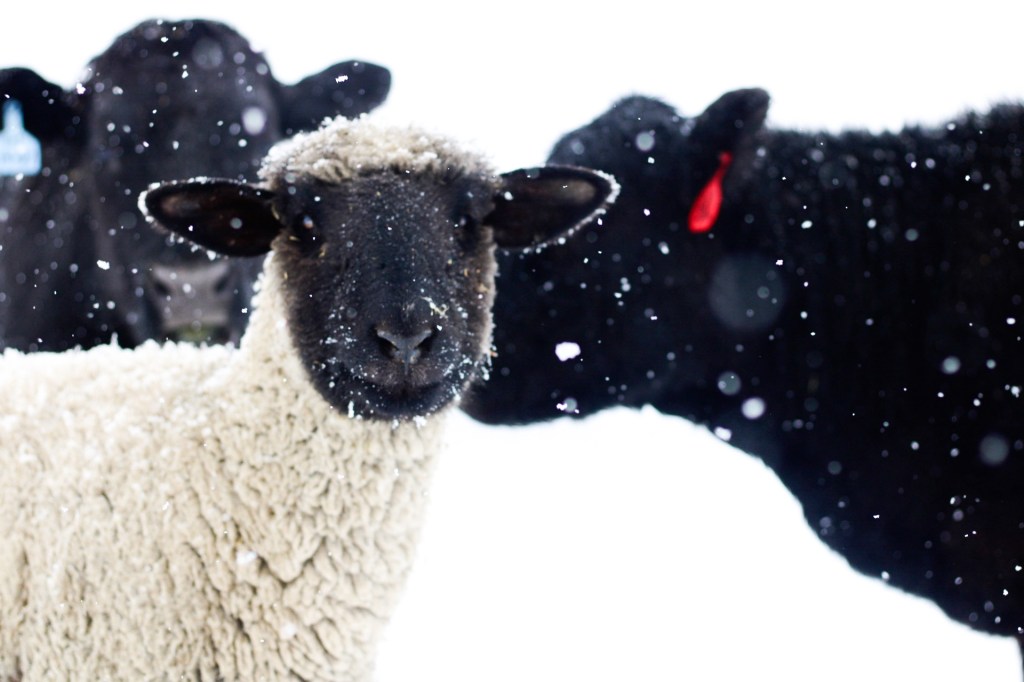
Producing meat from your own livestock is one of the most rewarding parts of farming. While chickens are the most efficient, pigs come close, and sheep are also great since they can forage for nearly their whole diet. Processing animals is a great skill, but if you’re a beginner, paying a butcher to do the work will make things easier.
Sheep for meat
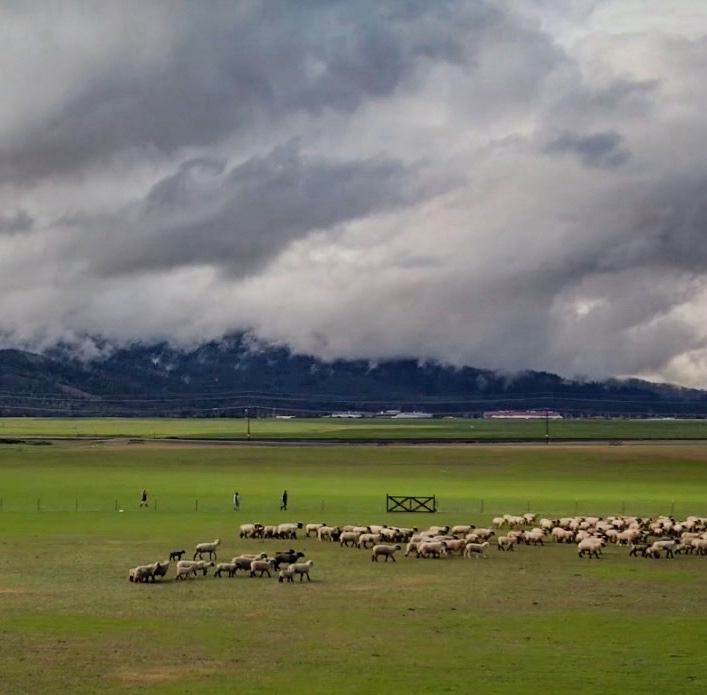
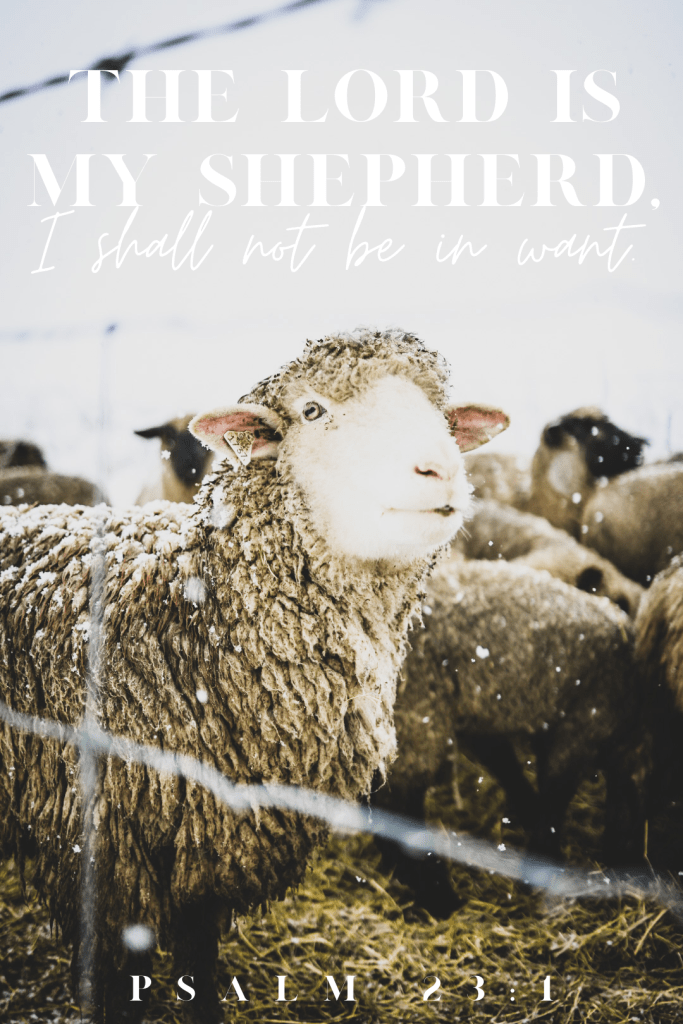
Globally, sheep are extremely popular for meat. In the US, lamb is rare to see on the menu, but is becoming more popular. Lamb is tasty, and high in nutrients. The number of sheep per acre, (or acres per sheep) depends on what kind of land you have on your property- irrigated land, that is well planted accompanies tons of sheep, while dry land, or mountain-land normally will feed less sheep.
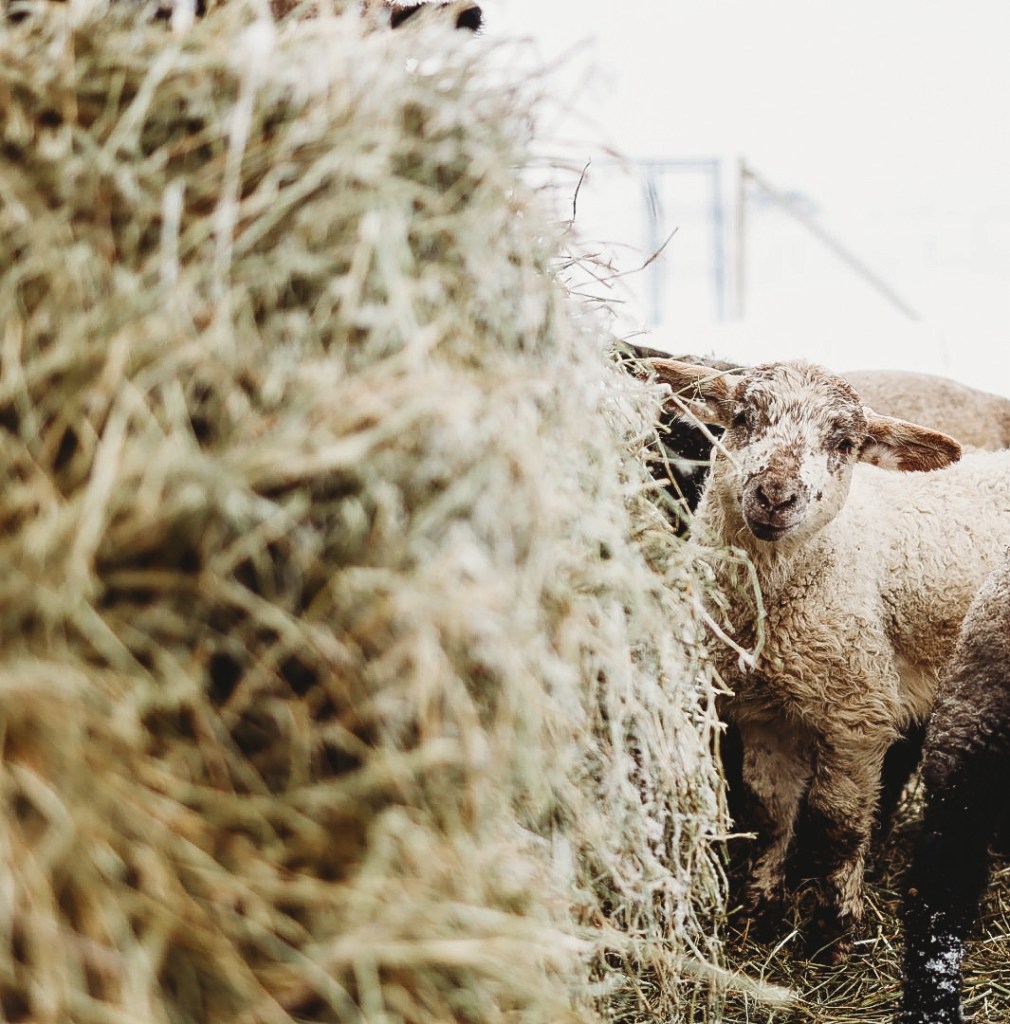
Depending on breed, a ewe (female sheep) will give birth to 2-4 lambs at a time, once a year. Late spring is the best season for lambs in northern areas, since the danger of a blizzard or hard freeze is basically gone. The lambs will grow quickly on a fresh green pasture with their mom, and will grow into a well-sized lamb by autumn when harvest time comes.
Choosing the right sheep…
There are many breeds of sheep- the species holds tons of diversity from breed, to breed. Keep reading and we’ll name off a few breeds that are good meat breeds that have great maternal instincts, and forage well.
- Dorset
- Polypay
- Suffolk
- Hampshire
- Australian White
- Dorper
- And crosses between any above breeds
Pigs on the farm
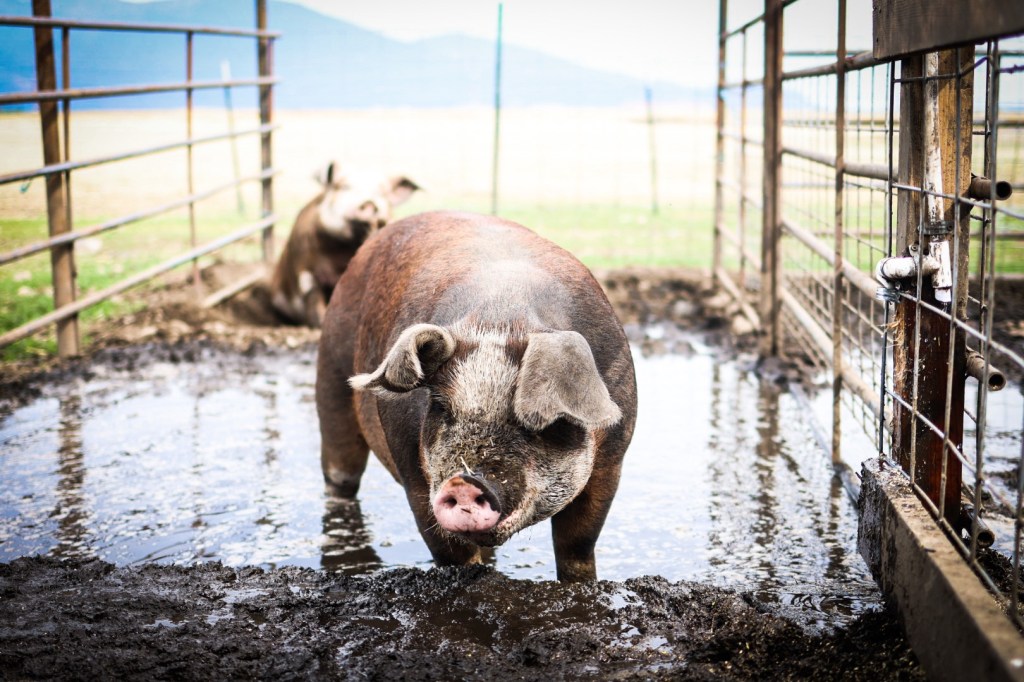
Although pigs can be messy, this shouldn’t be our only impression on pigs. If you first saw the pros about pigs, the cons wouldn’t be so prominent. Pigs are social, friendly, and goofy animals who are a common farm animal for a reason- they’re productive, easy to raise, have low health-problems, grow quickly, and not to mention, they taste great.
A sow (mature female pig) will give birth to around 10 soft little piglets (depending on breed of course). She should be housed in a barn with an outside run to give her space as the piglets grow. Those ten piglets will require feed once they reach weaning age, and will be separated from mom soon. Once the piglets are separated, they’re placed in an outdoor shelter where their job is to root out any unwanted weeds and brush. The piglets will soon be pigs, and reach butcher weight. Selling half of the pigs will pay for most of the feed bill if the 10 are too much to butcher for your homestead.
Popular piggies
Here’s a quick list of some fast growing breeds to consider…
- Duroc
- Chester
- York
- Berkshire
- Hereford
- Hampshire
- Poland China
- And crosses between those breeds
Chickens for dinner
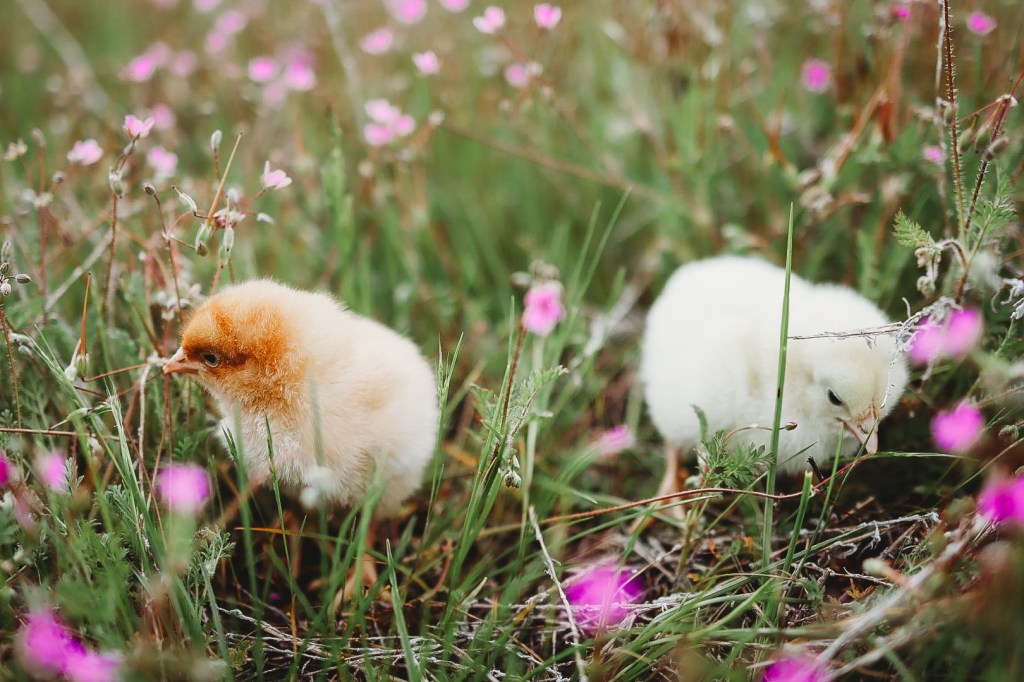
As said above, chickens are the most efficient meat animals on the farm, taking the least amount of space, least amount of food, and the least amount of time. A group of meat-breed chicks are very accessible, from farm stores, to mail order hatchery chicks.
When your chicks arrive, be sure to provide a well setup brooder (chick home). Heating lamps, feeders, waterers and proper betting is essential. The feed for meat birds should be at least 20-22% protein which is easy to find at the farm store. Keep chicks under the heat lamp until they are fully feathered (summertime is the only time where exceptions can be made). A mobile chicken house makes for happy, healthy broilers once they are ready to go outside. Bottomless, mobile pens can be ran over a grassy area, and will add nutrients to the soil, while giving the chickens a well extra nutrients from bugs and greens. Once the chickens are butcher size, processing is simple, and very rewarding.
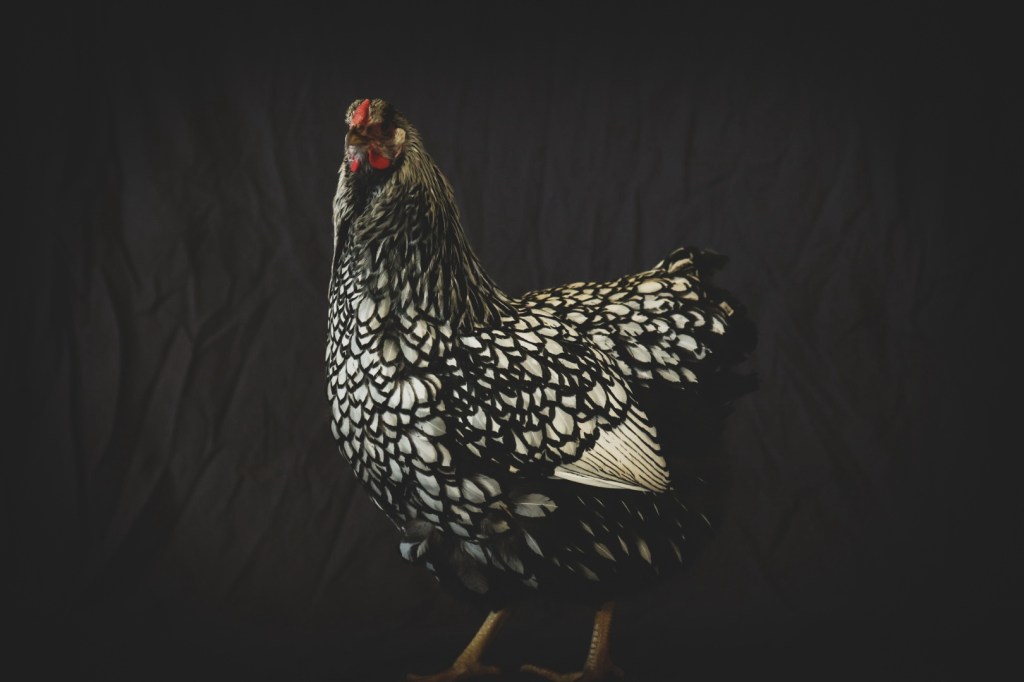
The right meat breed
Here is a list of meat-breeds with the number of weeks it takes to grow to butcher size…
- Red Ranger 12-14 weeks
- Delaware broiler 14-16 weeks
- Gray Ranger 12-14 weeks
- Color Yield broiler 10-12 weeks
- Cornish-Rock 7-8 weeks
- Heritage Plymouth Rock 16-20 weeks
- Heritage Buckeye 16-18 weeks
- Heritage Wyandotte 20-24 weeks